
◆ Private-Client Estate Planning · Trust-Centered Design
ModernEstate Planning,Built for Life and Legacy.
A living-trust-centered planning experience designed to bring together legal structure, implementation, and alignment — so the plan still works when life requires it to.
◆ 01 / The Reality
Estate planning
for the way families
live today.
A modern estate plan should reflect real life — not only what happens at death, but what happens if a person becomes ill, disabled, or unable to act. It should reduce confusion for the people who will one day need to rely on it.
Multi-Asset Complexity
Retirement accounts, brokerage assets, business interests, LLCs, beneficiary-designated assets, and property in more than one state.
Modern Family Structure
Second marriages, blended families, dependent children, aging parents, and unequal financial sophistication among heirs.
Incapacity, Not Only Death
A plan must also serve when a person is ill, disabled, absent, or temporarily unable to manage legal and financial affairs.
Generational Stewardship
Continuity of authority and intent across children, grandchildren, and the fiduciaries who will eventually act on the plan.
◆ Your Advisors
Two advisors. One conversation.
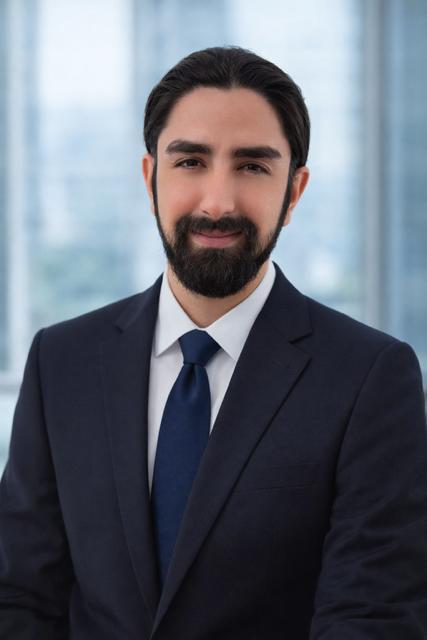
Rodrigo Jimenez.
Estate & Legacy Planning
Legacy Trust Group
A background in the insurance industry — now focused on estate and legacy planning for everyday American families who want their plan to work when life requires it to.
10+
Estate & Legacy Planning
Everydayfamilies
Not just the wealthy
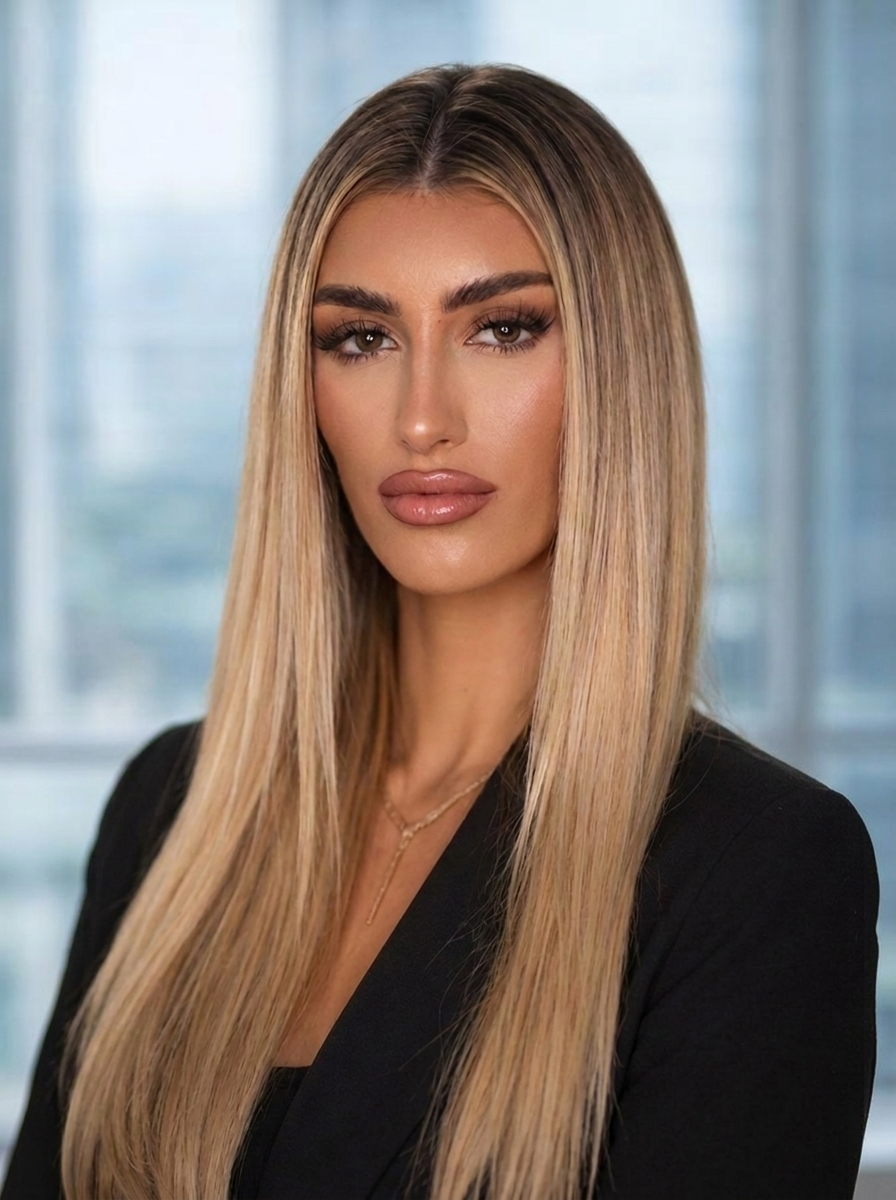
Kristy Stevens.
Estate & Legacy Planning
Legacy Trust Group
Partners with families on the practical side of estate planning — translating documents into a working plan and walking clients through each decision one step at a time.
Portfolio
& Philanthropy
Everydayfamilies
Not just the wealthy
◆ 02 / The Difference
More than a
binder on a shelf.
Many estate plans fail not because the documents were never signed, but because the plan was never properly coordinated, funded, maintained, or made accessible.
Traditional Model
A document-only event.
- —Documents signed and stored away
- —Titles never updated
- —Beneficiary designations uncoordinated
- —Family unsure where documents live
- —Probate confusion and delay
◆ The Modern Model
A living, trust-centered structure.
- 01Living-trust-centered structure
- 02Trust funding and asset alignment
- 03Organized authority and fiduciary roles
- 04Long-term access to plan records
- 05Successor trustees ready to act
◆ 03 / The Framework
A more complete
estate planning framework.
A comprehensive plan should connect the parts that matter most — not leave them disconnected. When these elements work together, planning becomes less reactive and more intentional.
Continuity During Life
Define authority and management if illness, injury, or incapacity occurs.
Trust Funding Alignment
Connect the legal plan to the real ownership structure of the estate.
Probate Reduction
A more private, organized framework intended to reduce reliance on court proceedings.
Fiduciary Readiness
A plan designed to be usable for spouses, children, and successor trustees.
Secure Long-Term Access
Essential documents remain available and visible over time.
Family Stewardship
Reduce burdens for the people clients care about most.
Multi-Generational Design
Structured for children, grandchildren, and long-horizon legacy intent.
Coordinated Implementation
Plan design, documents, and asset alignment treated as one continuous process.

◆ 04 / The Living Trust
Why a living trust
becomes the centerpiece.
A revocable living trust does more than transfer assets at death. It is the legal framework through which assets are managed during life, preserved during incapacity, and administered over time under stated terms.
Trust
Organizing center of the plan
Assets
Aligned through funding
Authority
Defined during life
Family
Supported across generations
◆ 05 / Stewardship
For the people
who will need it most.
Planning for Life, Not Only for Death
Some of the most important moments for an estate plan happen during life — when illness, injury, or cognitive decline make help necessary. A trust-centered plan defines who can act, how, and with what supporting authority.
Built for the People Who Will Need It
The real test of a plan is how it serves the spouse, child, or trustee who later steps in. Plans designed with successor readiness in mind reduce friction at exactly the time it would otherwise be greatest.
Preserving Order and Dignity
Estate planning, at its best, is an act of stewardship — a way of reducing burdens for the people a client cares about most.
◆ 06 / Jurisdiction
A Nevada trust
framework.
Clients do not need to live in Nevada to establish a Nevada-based trust. Families may benefit from one of the most developed trust jurisdictions in the country while remaining fully rooted in their home state.
Modern Statutes
A broad, modern, trust-oriented body of law.
Directed Trusts
Investment, administrative, and protective roles may be separated.
Long-Duration Trusts
Multi-generational planning over extended horizons.
Favorable Treatment
Statutory framework supportive of retained trust income in certain scenarios.
Flexible Administration
Recognition of modern fiduciary and trust-protective concepts.
Electronic Recognition
Statutory recognition of modern trust and signature concepts.
Note · A Nevada framework is a legal and structural benefit, not a blanket tax promise. Tax outcomes depend on domicile, asset type, structure, and applicable law.
◆ 07 / The Process
A sequence,
not a single event.
Discovery
Understanding family structure, planning goals, concerns, and the asset profile that shapes the plan.
Trust-Centered Design
Structuring the estate around a revocable living trust and supporting documents.
Document Implementation
Preparing and executing the plan through a coherent, structured process.
Trust Funding & Alignment
Connecting the legal plan to actual ownership — assignments, retitling, and coordinated beneficiaries.
Ongoing Review
Reviews after marriage, births, asset changes, business events, or relocation.
Successor Readiness
An estate plan organized for the trustee, spouse, or child who may one day need to act.
◆ 08 / Educational Workshop
Complimentary Online Estate Planning Workshop.
An educational session designed for individuals and families who want to better understand estate planning before making decisions. Complimentary, online, and focused on what actually matters.
◆ What You Will Learn
- 01Why many families choose a living trust over a will
- 02How probate works and how it may be avoided
- 03Common estate planning mistakes
- 04How to protect loved ones during incapacity
- 05Practical estate planning strategies every family should know
◆ 09 / Considered Questions
Frequently
asked.
A short orientation to the questions clients most often consider before beginning a trust-centered planning engagement.
A legal arrangement created during life that can hold or direct the management of assets and can generally be amended while the creator is alive and competent. It is often used as the foundation of a broader estate plan.
◆ 09 / Begin
Ready to find out what makes
sense for your situation?
Every family's situation is different. A confidential consultation can help you understand whether a trust-centered plan may fit your goals, identify potential gaps, and provide clarity on your available options. No obligation. No pressure. Just education and guidance.
- 01Confidential consultation
- 02No obligation
- 03Educational review
- 04Personalized guidance
- 05Private-client experience
Your consultation is completely confidential and designed to help you understand your options. You'll leave with greater clarity — whether or not we ever work together.
◆ Private Consultation · 30 Minutes
Book a confidential, no-obligation consultation to explore whether a trust-centered plan fits your goals.
30 minutes · Held in strict confidence
Educational only — not legal, tax, or financial advice, and no attorney-client relationship is created. See our Privacy Policy and disclaimer.